Winemaking

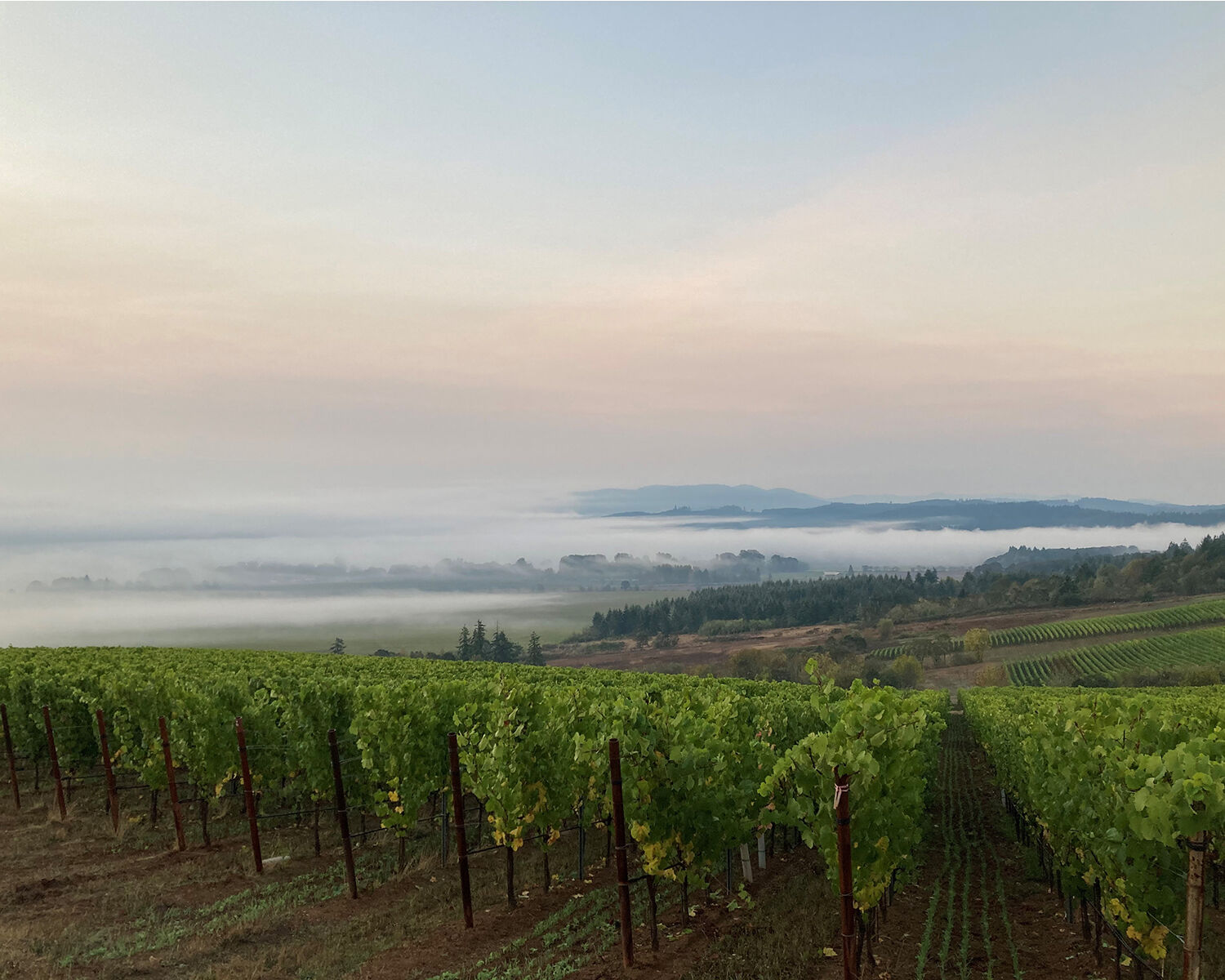
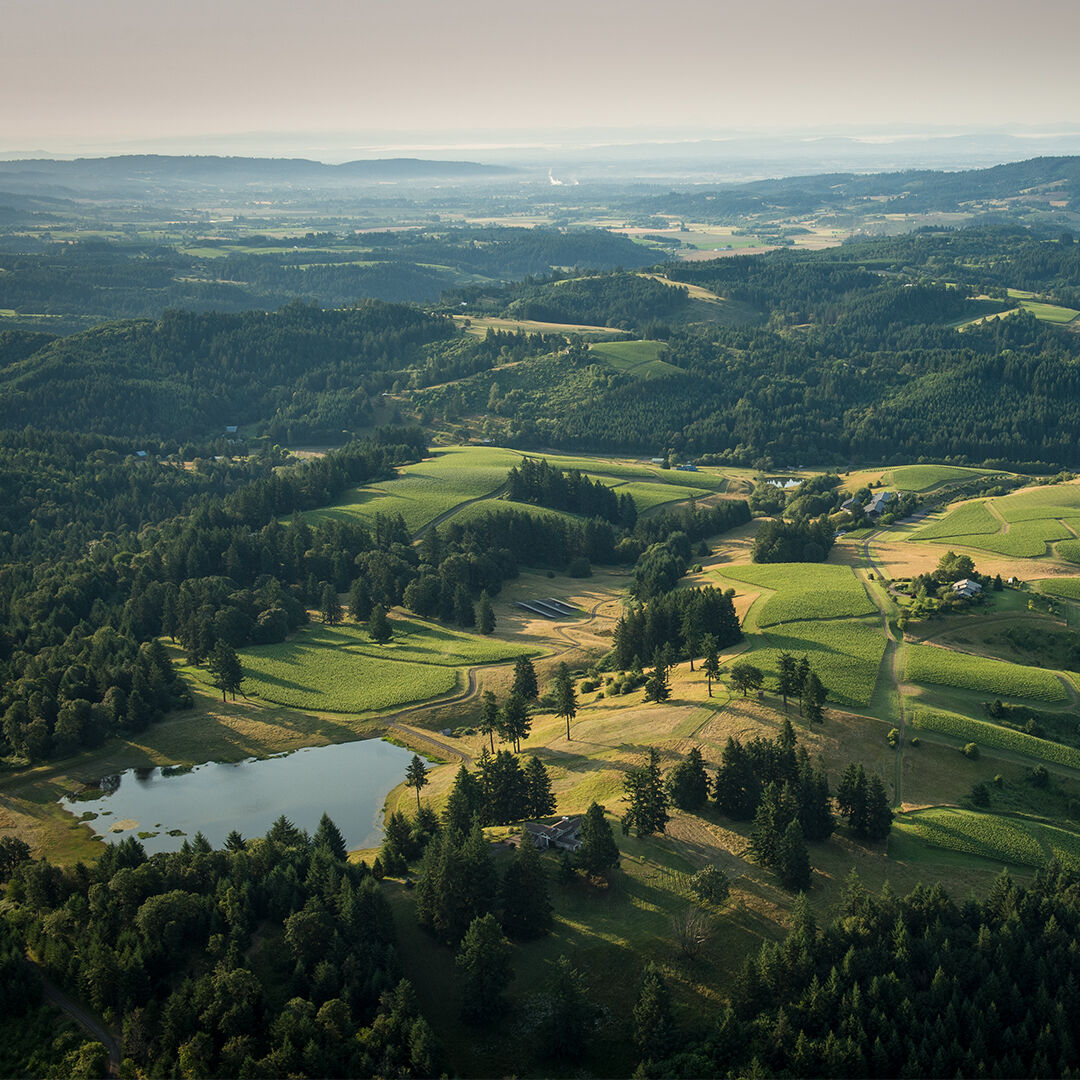
WillaKenzie Enologist Annie Bailey Checking Fermentation TemperaturesWinemaking at WillaKenzie Estate is guided by an uncompromising commitment to producing quality Oregon wines.  We combine the best traditional French methods with American innovation to craft wines that are complex, refined, and unique — wines that express the distinctive terroirs of WillaKenzie Estate and our Jory Hills Vineyard located in the Willamette Valley of Oregon.  Our wines are also a reflection of Oregon’s cool grape-growing climate, with elegance, ageability, and balance as their hallmarks.

With every WillaKenzie wine, we focus on bringing forth intense flavors, robust structure, and round supple tannins.  All of our wines are produced in limited quantities with sustainability in mind, bringing you an honest reflection of our Willamette Valley, Oregon estate.


FRENCH TRADITION

WillaKenzie Red Wines
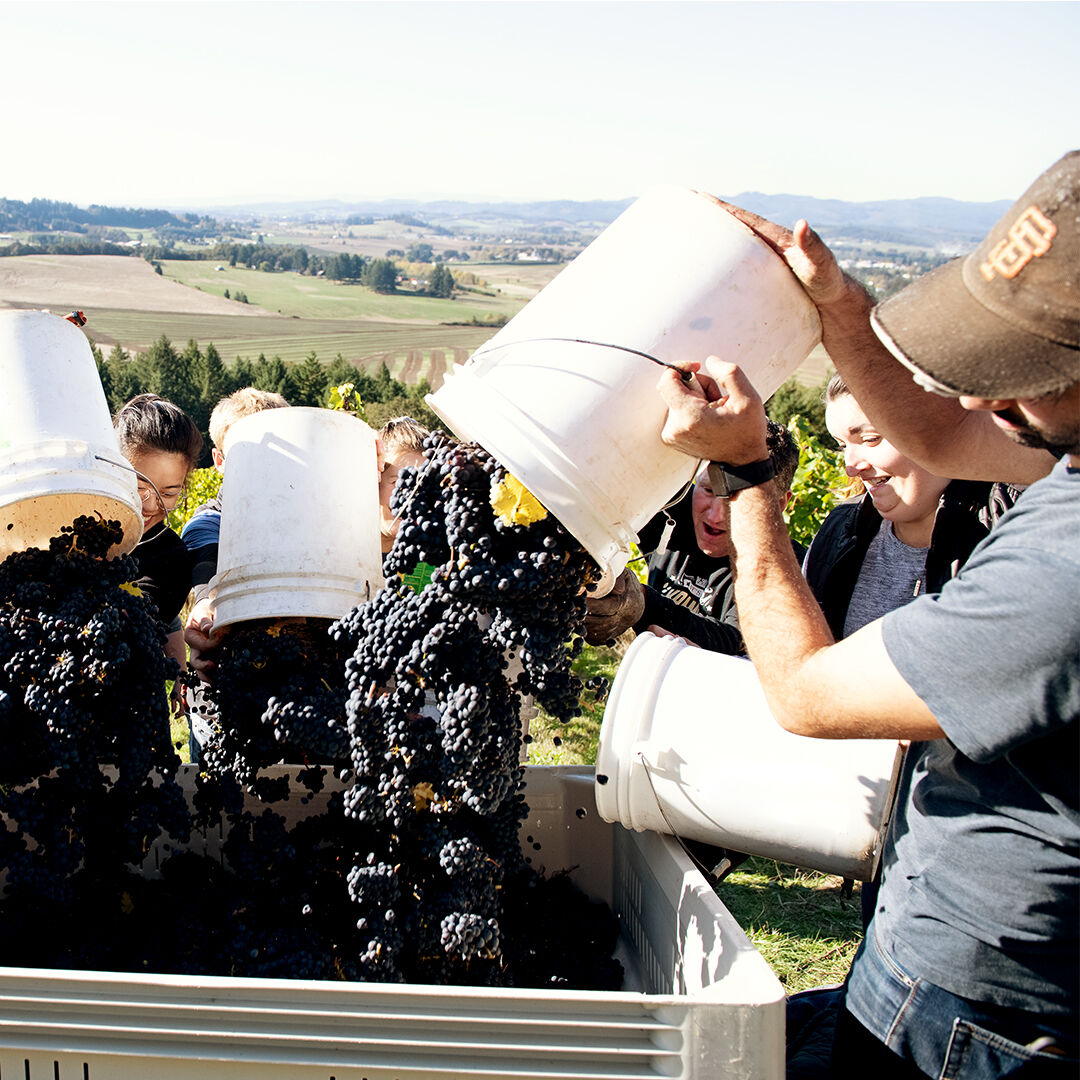
Stylistically, we aim to make red wines that are complex, fragrant, and full-bodied, but with soft and silky tannins.  Under the direction of Winemaker Thibaud Mandet, educated at the University of Bordeaux, our Pinot Noir, Gamay Noir and Pinot Meunier grapes spend their first few days after harvest cooling in “Big Chill”, our cold-storage facility.  The grapes then undergo a cold-soak maceration and fermentation in a stainless-steel or oak tank with a traditional punch-down regime and pump-overs as required (a modern version of grape stomping).  This is almost always followed by a post-fermentation maceration.  The wines are then aged in small French oak barrels in our underground cellar for at least one year. The wines typically age another year in the bottle before release.


WillaKenzie White Wines
The goal for our white wines is to produce fresh wines that fully express the characteristics of their fruit. For this reason, all of our white wines (with the exception of our Late Harvest Pinot Gris), are made entirely in stainless steel with no malolactic fermentation and no barrel aging.  The grapes are first picked ripe, then loaded as whole clusters into a bladder press where they are gently squeezed.  The grape juice is fed by gravity into closed-top stainless-steel fermenters where it undergoes primary fermentation.  The wine is bottled a few months after fermentation is complete.


AMERICAN INNOVATION

Burgundian by birth, engineer by training, and vintner by passion, Bernard Lacroute has relied on all three traits to further refine winemaking at WillaKenzie Estate, where innovation and technology have always played an important part in the vineyard and winery.  Below are some of the innovations we use to create our world-class wines:

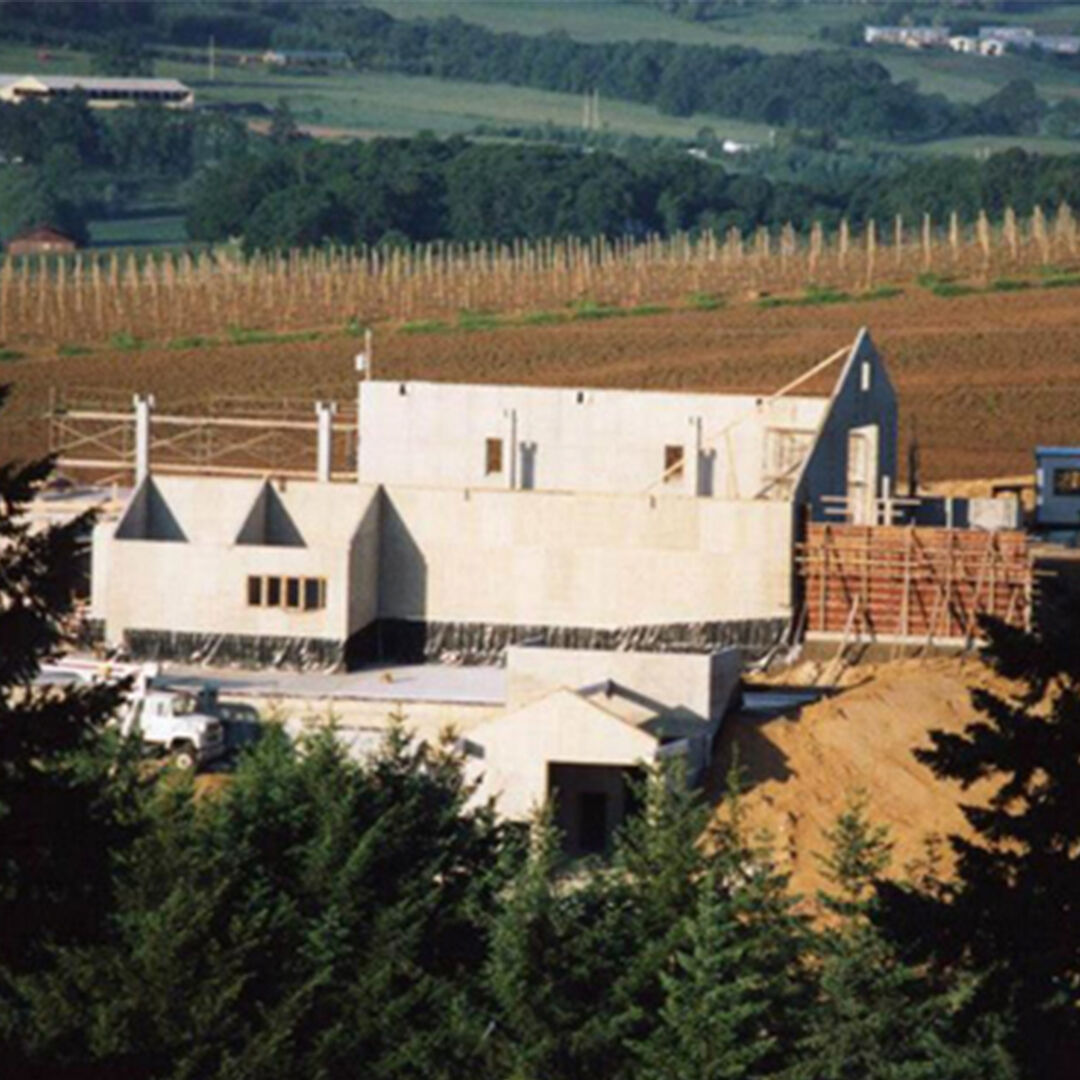
–Gravity-Flow Winery: Our multi-level, gravity-flow winery allows for gentle handling of our grapes as well as aging in our naturally cool underground cellar in true Burgundian fashion.  Learn more about our gravity flow winemaking process…


–’Big Foot’: Designed in 1995 by Bernard Lacroute, this punch-down robot gently and consistently punches down the cap during grape fermentation.  Learn more about how ‘Big Foot’ is used…


–’Big Chill’: In 2007, a cold-storage facility, also designed by Bernard, was custom built to dramatically cool our grapes before processing, thus improving the aromatics and structure of our wines.  This sophisticated system can also be programmed to manage the moisture content of our grapes in wet years.  Learn more about why we use the ‘Big Chill’…


–Cork-Free Closures: Starting with the 2001 vintage, we have bottled an increasing percentage of our red and white wines, including estate Pinot Noirs, with screwcaps, which prevents the taint associated with even the best grade of natural cork.  Learn more about why we use cork-free closures…


–Solar Array: In 2010, we finished installing a large solar array that produces almost half of our energy needs.  Learn more about sustainable practices at WillaKenzie…


–French Oak Tanks: To micro-manage temperatures during fermentation, we custom designed French oak fermentation tanks and we will compare the results with our other stainless steel fermenters.  Learn more about our philosophy behind the use of French oak tanks…


–Reclamation of Carbon Dioxide: Carbon Dioxide (CO2) is produced naturally during the fermentation of grapes and is an excellent agent to protect finished or unfinished wines during their various phases of fermentation, especially during the post-fermentation phase.  We have designed a very simple system that captures the CO2 from fermenting tanks, especially the closed-top tanks of white wine, and pipes it into wine tanks during the post-fermentation phase.  The wines are protected, and the CO2 is reused effectively.


Keep in Touch!   Read Our Blog   Facebook   Twitter